

The Therapists Role in Brainspotting
Brainspotting therapy works best when the therapist creates safety and attunement. Discover how your therapist supports deep healing during each session.

Balancing Individuality in a Polycule
Polycule dynamics can be complex. Learn how therapy supports balancing individual needs and the needs of multiple relationships while building trust and connection.

How Couples Therapy Strengthens Connection Before a Crisis
Couples therapy is not just for relationships in trouble. Learn how starting therapy early helps partners deepen connection and prevent future conflicts.
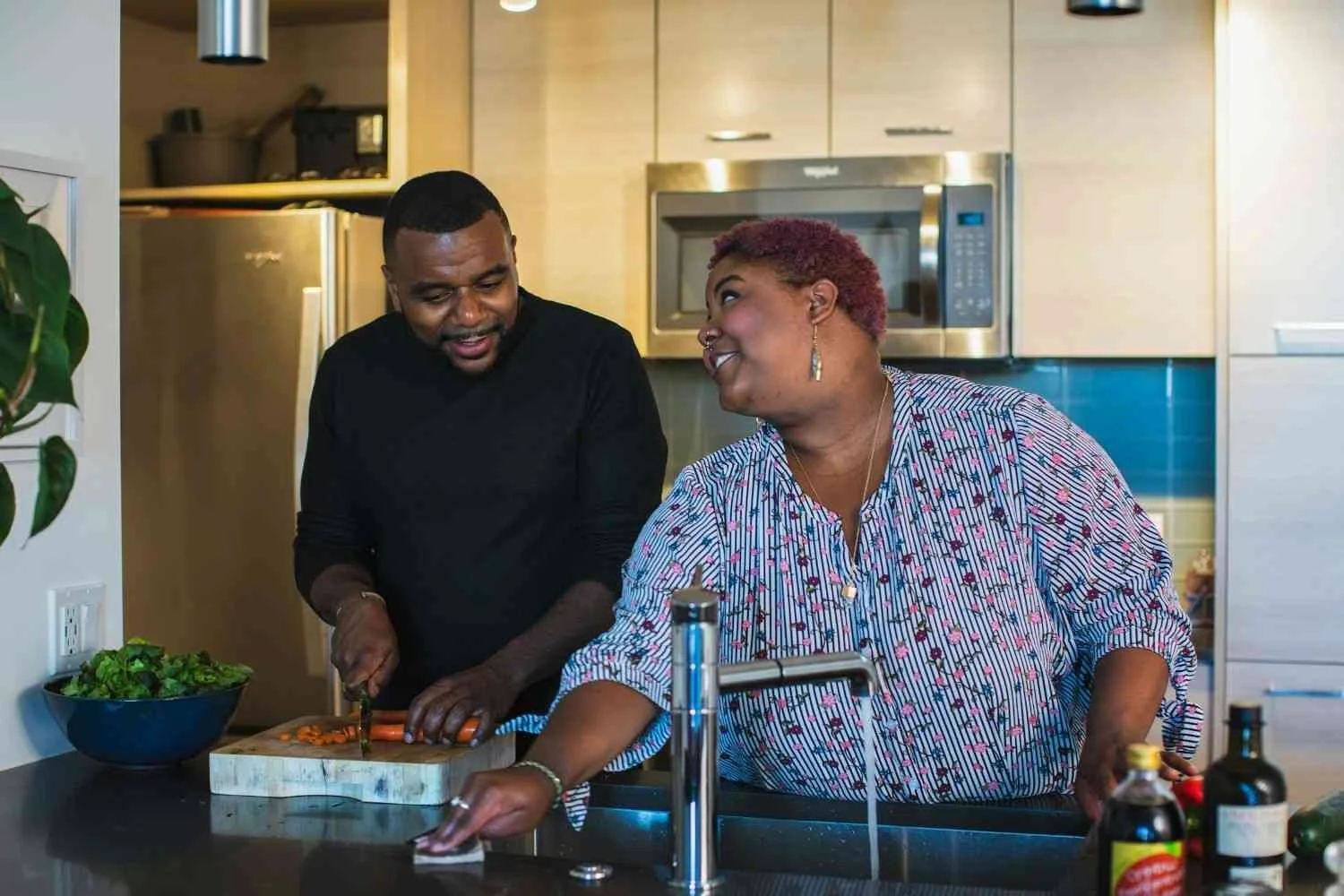
When One Partner Wants Monogamy and The Other Does Not
Navigating differing relationship preferences can be challenging. Learn how therapy can help couples explore monogamy and non monogamy with care and understanding.

Why Happy Couples Still Benefit From Therapy
Couples therapy is not only for relationships in crisis. Learn how even happy couples use therapy to deepen intimacy and maintain long-term connection.

How Therapy Helps You Separate Self-Worth from Achievement
Learn how therapy helps you untangle self-worth from achievement. Find healing from perfectionism and pressure to always perform.

Without Words: A Different Way to Heal Trauma
Struggling to talk about trauma? Brainspotting offers a way to heal without words, using the body’s wisdom to release pain and find calm.

How Couples Therapy Can Support Queer Love Stories
Queer couples therapy is more than problem solving. Learn how affirming therapy supports LGBTQ+ relationships, deepens connection, and celebrates queer love stories.

Healing from Family Rejection in LGBTQ+ Therapy
Family rejection can leave deep emotional scars for LGBTQIA+ people. Learn how affirming therapy helps you heal, rebuild trust, and create chosen family.

Therapy for Polycules: What It Looks Like in Practice
Curious about what therapy looks like for polyamorous relationships? Learn how therapy can support polycule dynamics, improve communication, and build stronger connections.